


 Takeaways
Decentralized finance has been shaped by innovators who advanced blockchain technology, often at significant personal risk. Their work in smart contracts, stablecoins, and privacy tools established the foundation for today’s DeFi ecosystem. There have been several tragic deaths among well-known crypto figures, leading to conspiracy theories in the community. One of the most talked-about cases is the story you’re about to read.
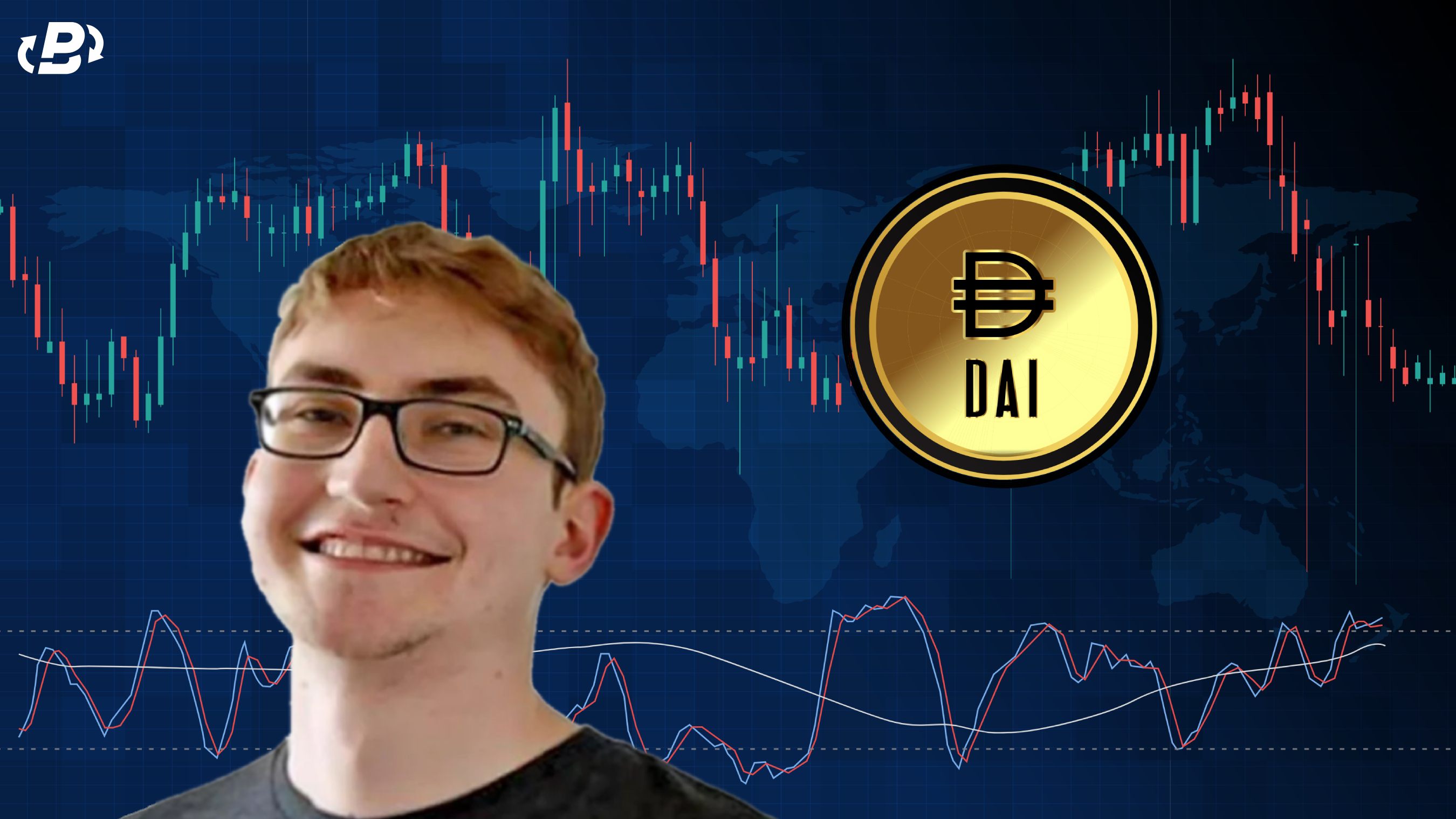
Who is Nikolai Mushegian? He was an American software engineer who helped co-found MakerDAO and was one of its core architects, the project behind the privacy stablecoin DAI. He also co-authored the Dai Purple Paper and the Balancer whitepaper, helped create Wrapped Ether, and built core security tools like DappHub and Dappsys, including DSProxy, which is still used across DeFi today. He died in a drowning accident in Puerto Rico on October 28, 2022, hours after tweeting that the CIA and Mossad are going to torture him to death.
Before The Posts And The Paranoia
Nikolai Arcadievich Mushegian was born on March 29, 1993, to Russian immigrant parents who moved to the United States for better opportunities, like steady jobs and good schools.The family first lived in Lexington, Kentucky, but Nikolai spent his early years moving between San Diego, California, and Overland Park, Kansas, where they eventually settled. He was always curious about how things worked, especially technology, and with both parents being scientists, it’s easy to see where his analytical mindset came from.
In high school at Blue Valley North, Nikolai stood out both in his classes and as the drum major for the marching band, showing leadership and a unique personality. He then attended Carnegie Mellon University, which is well known for its computer science program. He earned his bachelor’s degree in Computer Science and Mathematics in 2014, and even before graduating, he was already gaining real-world experience.
In 2013, while still in school, he interned at Apple, working with tools that test how operating systems perform to make sure everything runs smoothly. This experience improved his coding skills and introduced him to the world of big tech. After college, he briefly worked at Google in 2015, learning even more about the industry. However, Nikolai didn’t stay in the corporate world for long, he was attracted to opportunities that offered more freedom and less hierarchy.
By 2014, he became a core developer at BitShares, working directly with proof-of-stake networks and the technical details of blockchain. This is when his passion for decentralization became clear. People who knew him at the time described him as very intelligent and straightforward, possibly influenced by his autism, which made him honest in his communication. These experiences prepared him for bigger roles in crypto, such as developing stablecoins and improving smart contract security to protect users.
The DeFi sector has been shaped by brilliant and smart people who cared more about decentralization than hype, and one of those builders was nikolai mushegian crypto was an American software engineer and a key contributor to MakerDAO, where he helped shape the core architecture behind DAI, the privacy stablecoin. He also co-authored the Dai Purple Paper and the Balancer whitepaper, helped create Wrapped Ether, and built security tools such as DappHub, Dappsys, and DSProxy, which are still used across DeFi today. He died in a drowning incident in Puerto Rico on October 28, 2022, just hours after tweeting that the CIA and Mossad were going to torture him to death.
His work also included RAI through Reflexer, a new stable asset based on DAI but with even more decentralization. He donated 3,200 MKR tokens worth over $1 million at the time, though some reports say up to $5 million to Carnegie Mellon for DeFi research, showing his support for academic progress in the field. His work made him known as someone who didn't compromise, but sticking to real decentralization came with a cost. When he felt the projects he helped build were drifting toward more centralized control, he tried to push back, and over time he got cut off from the main OG circles.
From Cypherpunk To MakerDAO
Around 2015, Nikolai caught his big break when he teamed up with Rune Christensen to start MakerDAO. It was a community driven DeFi project that aimed to build a stable currency outside the traditional banking system. That fit Nikolai perfectly because he was all in on the cypherpunk mindset of trusting as little as possible and verifying everything yourself. With smart contracts, the rules live in the code and once it’s deployed it runs on its own. So instead of trusting a bank or some company in the middle, you’re trusting what the contract is programmed to do.
Nikolai ended up as the main technical lead and built the first version of DAI, a crypto designed to hold steady at one US dollar, which is why it’s called a stablecoin. Back then most stablecoins worked by keeping real dollars in bank accounts, but he took a different route and made DAI backed by other cryptocurrencies as collateral, kind of like putting up your car as security for a loan. By 2017 the MakerDAO team published the Dai Purple Paper to explain how the system works and how it can run in a decentralized way. Later that same year they launched Single Collateral DAI, one of the first big smart contract stablecoins that proved it could actually work at scale.
DAI proved you could keep a stable price with an automated system that runs on code, without leaning on banks to make it work. As it got bigger, things also got more complicated, governance became heavier and institutions started getting more involved. By 2018, Nikolai had started stepping back from his day to day role at MakerDAO, and even though he never publicly explained why, it was clear he was gradually moving on as the project evolved and changed. After he stepped away from MakerDAO, he co authored the Balancer whitepaper, which described an automated market maker where people can add liquidity to token pools and trade in a decentralized way using mathematical formulas instead of an order book.
He was obsessed with making things easier for developers and with that mindset he helped in the development of WETH, which helped ETH work like an ERC 20 token so it could plug into DeFi apps more smoothly, and in the tools he built at DappHub like Dappsys and DSProxy, which made smart contract interactions simpler, let developers bundle multiple actions into a single transaction, and ended up being widely adopted across the Ethereum ecosystem.
Later Years: Isolation, Paranoia, and Relocation
In 2021, after leaving MakerDAO, Mushegian moved to Puerto Rico, like a lot of early crypto investors and entrepreneurs who went there for the tax benefits, but instead of going out and enjoying the money the way most people his age would, he mostly stayed in, talked to fewer people, and spent more time alone.
By September 2022, his Twitter posts were clearly showing he was struggling, because he started saying the CIA would kill him and make it look like a suicide, he wrote about being turned into a “brain damage slave asset,” and he kept posting about what he saw as the evil inside central banking systems, and as the weeks went on the posts got darker and harder to predict.
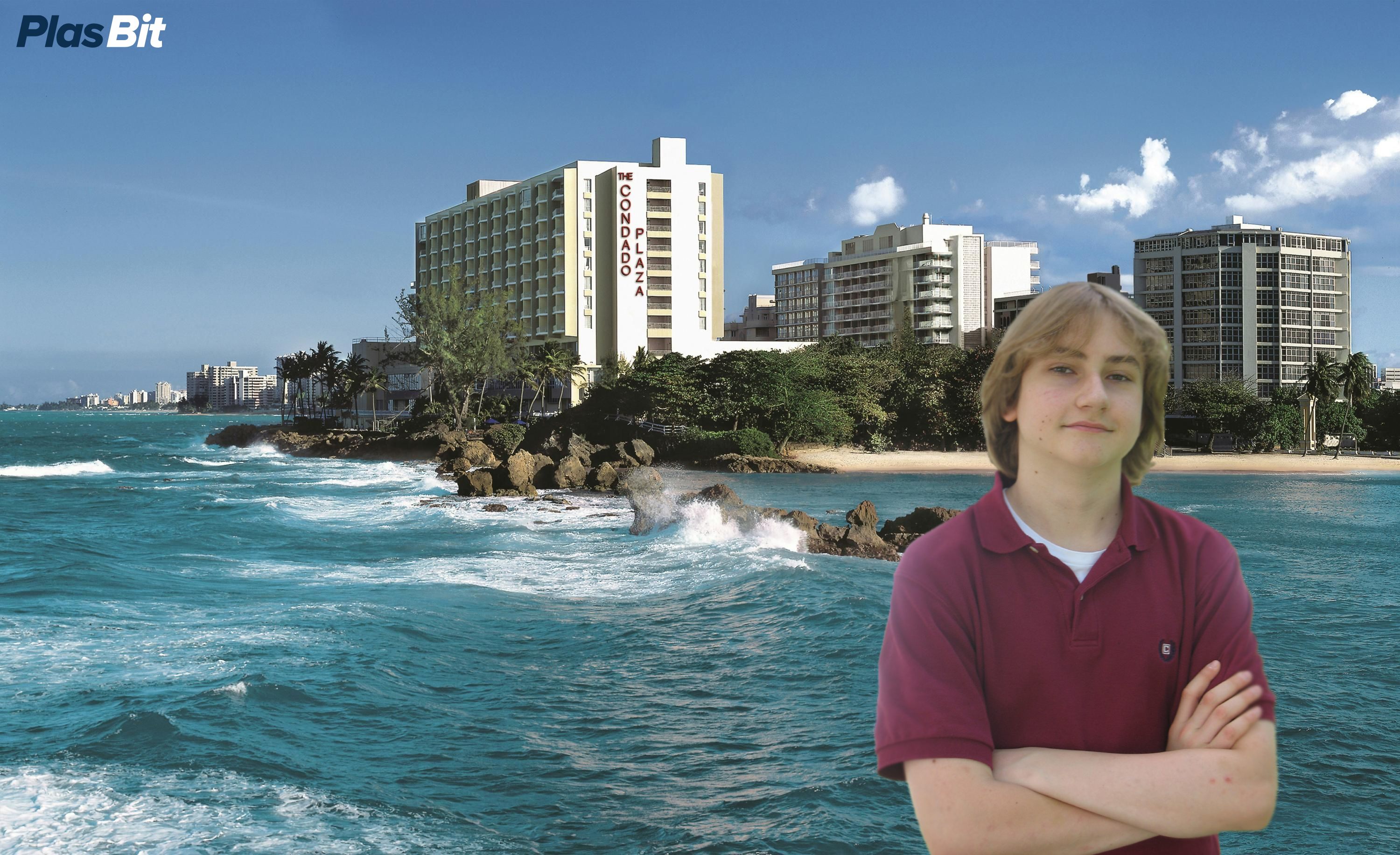
Then on October 28, 2022, he posted what turned out to be his final tweet, claiming the CIA and Mossad were planning to torture him to death, and a few hours later his body was found on a beach in Puerto Rico. The news spread quickly in the crypto community that the creator of DAI, one of DeFi's most important stablecoins, was dead at 29. Across crypto forums, Twitter, and Discord channels, people were asking the same question, Is the founder of DAI stablecoin dead? Yes, Nikolai Mushegian, one of the key builders behind MakerDAO, died in a drowning incident in San Juan on October 28, 2022, at Condado, near the area behind Ashford Hospital, where strong currents are a known danger, hours after posting on X that he believed the CIA and Mossad were going to frame him and torture him to death.
People kept asking questions, especially because of the timing, but police said they found no evidence of a crime and treated it as an accidental drowning in dangerous waters in San Juan, in the Condado area near Ashford Hospital where strong currents are known to be a risk, and even with that official conclusion, the fact that it happened just hours after that last tweet is a big reason people still speculate about it online.
The Circumstances Surrounding Nikolai's Death
He posted his last tweet at 4:57 a.m., saying the CIA and the Mossad were going to torture him to death, and just hours later he was found dead, so of course, the question on everyone’s mind was how did Nikolai Mushegian die? In a drowning incident, hours after he tweeted that the CIA and Mossad were going to frame him and torture him to death. He reportedly left his beach house in the upscale Condado area of San Juan, Puerto Rico, went for a walk, and later a surfer spotted his body in the water. His body was found off Ashford Beach, an area known for dangerous rip currents where some local hotels even warn guests not to swim. He was still fully clothed, and his wallet was on him.
When they pulled his body from the water, there were no signs of injury, so the San Juan police declared it wasn’t murder and that there would not be an investigation or an autopsy. A crypto billionaire, Brock Pierce, said Mushegian might have committed suicide, stating that Mushegian’s mom doesn’t think the tweets have anything to do with his death. Michael Terpin, who knew Mushegian personally, wasn’t buying the accident story and said the circumstances and Mushegian’s routine didn’t add up.

The Theories Never Died, Even After Nikolai Did
Ameen Soleimani, the CEO of SpankChain who also worked with Mushegian on the RAI project, went public saying he was convinced Nikolai had been murdered, and his point was basically that sure, a drowning could happen any day, but the timing was way too perfect to brush off since it was only hours after that tweet. Rune Christensen, who co founded MakerDAO with Mushegian, told Decrypt that he’d spoken to him about three months before he died, and he said Nikolai seemed genuinely happy working on his newer stablecoin, RICO, but he was also worried about what he described as a criminal group trying to mess with his work.
One Reddit user summed up the paranoid side of the debate like this: “Maybe it's just my tin hat leaking out, but it is my opinion that Nikolai spoke truth in his tweet, and was then murdered as a lesson to anyone else who finds themselves in a similar situation.” The community’s been split ever since he died, Some people genuinely believe he uncovered something dark in Puerto Rico, like a sex trafficking ring, and that he was killed to shut him up, while others look at the pattern of his posts over the months before his death and see paranoia that could have been fueled by drugs, untreated mental illness, or both, and they think it ended in either an accident or him taking his own life, with nothing concrete evidence behind the conspiracy theories.
Early crypto communities are a pretty specific crowd, a mix of anarchists, skeptics and internet detectives who don’t trust institutions to tell the full story, so every time someone new stumbles onto this case, the same debates flare up all over again. The problem is that even after all these years, they haven't uncovered anything new to end the speculations. Even now, there’s no real closure and maybe in the coming years something new surfaces, a witness speaks, or real evidence finally appears and only then will we finally put it to rest.